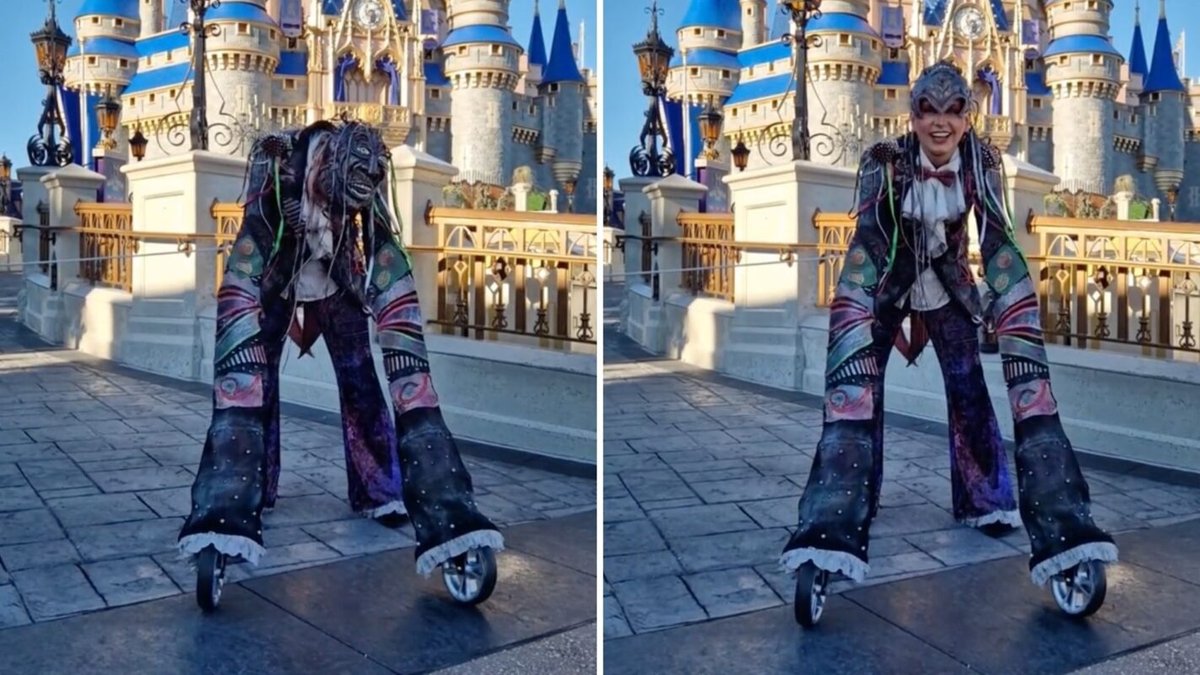
Long before dark reboots and grim fairy tales became commonplace, Disney delivered a truly unsettling experience with Return to Oz in 1985. This wasn't the vibrant, whimsical Oz from the classic Judy Garland musical; instead, it presented a crumbling, desolate land plagued by strange and horrifying creatures. Among them, none left quite the same indelible mark of fear as the Wheelers. Their screeching, their bizarre locomotion, and their sheer menacing presence solidified them as one of cinema's most unexpectedly terrifying antagonists.
This super pillar hub is your definitive guide to understanding these iconic creatures, delving into every facet of their existence, from their strange beginnings to their lasting psychological impact. Prepare to revisit the nightmares and discover the fascinating history behind Oz's most infamous inhabitants.
The Unforgettable Nightmare: Deconstructing the Wheelers' Origin
Return to Oz dared to shatter the idyllic fantasy many had of Oz, replacing it with a world teetering on the brink of despair. Dorothy's return finds Emerald City in ruins, its inhabitants turned to stone, and the entire landscape patrolled by these unsettling, wheeled figures. Their very appearance—human-like bodies with wheels for hands and feet, covered in tattered clothing—is a masterclass in unsettling design. They are loud, aggressive, and relentlessly pursue anyone who dares to trespass.
To truly grasp the depths of their disturbing nature, we must first understand where they came from. Who are these beings, and what calamitous events led to their reign of terror? For a deep dive into their backstory and how they fit into the broader lore of Oz, you'll want to explore The Origin and Lore of these peculiar antagonists.
Their Pivotal Role: Driving the Plot Through Fear
The Wheelers are more than just background monsters; they are central to the narrative of Return to Oz. Their control over the desolated Emerald City and surrounding lands establishes the immediate danger Dorothy faces upon her return. They represent the oppressive regime that has taken over Oz, acting as the enforcers of the wicked Princess Mombi and the Nome King. Their pursuit of Dorothy and her companions often pushes the plot forward, forcing our heroes into perilous situations and compelling them to seek solutions.
Their presence injects a constant sense of urgency and threat, defining much of Dorothy’s initial struggle. Wondering how these bizarre creatures directly influenced Dorothy's journey and the overall unfolding of the story? You'll find a comprehensive breakdown when you Explore Wheelers Oz plot impact within the film's narrative.
Crafting Cinematic Terror: Bringing Wheelers to Life
The brilliance of the Wheelers lies not only in their conceptual design but also in their execution. In an era predating sophisticated CGI, creating such distinctive and mobile creatures was a significant practical effects challenge. The distinctive sounds they make – a mix of screeching laughter and rolling wheels – further enhance their terrifying presence. Their jerky, unpredictable movements, combined with their unsettling vocalizations, create a visceral experience that still resonates with audiences today.
The filmmakers made deliberate choices to ensure the Wheelers were as physically imposing and believable as possible, often relying on clever prosthetics, costuming, and human performance. To truly appreciate the ingenuity behind their creation and the people who brought them to life, you'll want to Uncover the Wheelers secrets of filmmaking magic.
Why They Haunt Us: The Psychological Impact and Fear Factor
What exactly makes the Wheelers so unnerving, even decades after Return to Oz's release? It's a combination of factors: their disturbing appearance, which blends human and machine in an unnatural way; their cacophonous, unhinged laughter; and their relentless, seemingly joyous pursuit of their victims. They embody a primal fear of the unknown, of a world turned hostile, and of beings that delight in chaos. For many young viewers, they were an unexpected jolt of pure horror in a film associated with a beloved children's classic.
Their inhumanity, coupled with their sheer aggression, taps into deep-seated anxieties. It's not just a surface-level scare; it’s a psychological one. To delve deeper into the specific elements that contribute to their enduring creepiness and the profound effect they had on generations of viewers, dive into The Psychological Impact and Fear they evoke.
From Page to Screen: Comparing Book and Movie Wheelers
Fans of L. Frank Baum's original Oz books know that Return to Oz draws heavily from Ozma of Oz and Dorothy and the Wizard in Oz. The Wheelers, or "Wheelers" as they are known in the books, do indeed appear in Baum's work. However, as is often the case with adaptations, there are notable differences between the literary versions and their cinematic counterparts. The movie often amplified certain characteristics or altered their portrayal to fit the darker tone and visual medium.
Understanding these distinctions offers a richer appreciation for both the source material and the creative choices made by the filmmakers. To compare the written word with the unforgettable visuals and explore how the Wheelers evolved through adaptation, check out Wheelers in Oz Literature: Book and its cinematic interpretation.
The Wheelers of Return to Oz are more than just a footnote in cinematic history; they are a testament to the power of unsettling design and effective practical effects. Their legacy continues to spark conversations, debates, and a shared sense of childhood terror. As we look back, it’s clear their peculiar brand of menace will continue to captivate and frighten new generations, proving that true terror doesn't always need blood and guts, just a set of screeching wheels and a maniacal laugh.